September 22, 2026
Trees can be one of the most valuable features on a property, providing shade, beauty, privacy, and habitat for wildlife. However, there are situations when keeping a tree is no longer the best option. Severe damage, disease, unstable growth, and conflicts with structures or utility lines can all create reasons to consider removing a tree. Knowing when removal is necessary can help property owners address potential hazards before they become more serious problems. While pruning and other forms of tree care can resolve many concerns, some trees cannot be safely preserved. Understanding the warning signs can help property owners determine when professional local tree removal may be appropriate and when other solutions may be sufficient.
Recognizing Significant Tree Damage
Storms, high winds, lightning, and heavy snowfall can cause substantial damage to trees. Broken branches, split trunks, uprooted roots, and large cracks can leave a tree structurally compromised. While some storm-damaged trees can be stabilized through pruning or cabling, severe damage may make removal the safest option.
A tree does not necessarily need to be completely uprooted to pose a hazard. A large broken limb hanging above a driveway, roof, walkway, or other frequently used area can create an immediate concern. Similarly, a trunk with a significant split may not be capable of supporting the tree's weight safely.
After a major storm, property owners should avoid attempting to remove large branches or damaged trees themselves. Professionals can evaluate the extent of the damage and determine whether the tree can be preserved or should be removed. Depending on the circumstances, local tree removal may prevent damaged trees from causing additional property damage or personal injury.
Identifying Signs of Disease or Decay
Tree diseases and decay can gradually weaken a tree's structure. Some affected trees may continue producing leaves and appearing relatively healthy even when internal problems are present. This can make it difficult for property owners to determine whether a tree is safe simply by looking at its canopy.
Visible signs of decline can include dead branches, unusual leaf discoloration, fungal growth, cavities, peeling bark, and areas of decay. Mushrooms growing around the base of a tree may also indicate that fungi are affecting the roots or lower trunk. These signs do not automatically mean removal is necessary, but they warrant further evaluation.
If decay has substantially weakened the trunk, major limbs, or root system, removing the tree may become the most practical option. Professionals can assess the tree's condition and consider factors such as its location, size, species, and structural stability before recommending local tree removal.
Addressing Unstable or Leaning Trees
A noticeable lean does not always mean that a tree needs to be removed. Some trees naturally grow at an angle without presenting a safety concern. The important consideration is whether the tree has developed a sudden or worsening lean and whether its root system remains stable.
Signs of instability may include exposed roots, cracked soil around the base, a lifted root plate, or movement of the trunk during normal weather. A tree that has begun leaning toward a home, garage, road, fence, or other structure deserves particular attention.
Root damage can be especially concerning because roots anchor trees to the ground and provide access to water and nutrients. Construction, excavation, erosion, disease, and severe weather can all affect root systems. If a tree has become unstable and cannot be safely corrected, local tree removal can help eliminate the risk of a future fall.
Preventing Conflicts With Structures
Trees sometimes grow too close to buildings, fences, driveways, patios, or other structures. In some cases, pruning can manage branches that extend toward a structure. However, removal may be necessary when the tree itself creates an ongoing problem that cannot be reasonably addressed through trimming.
Large roots can also cause conflicts. Depending on their location and growth patterns, roots may interfere with hardscaping, drainage systems, or other property features. Cutting major roots without professional guidance can further destabilize a tree, so property owners should avoid treating root problems as a simple landscaping issue.
When a tree is growing in a location where its continued development could damage property or create an unsafe condition, a professional assessment can help determine the appropriate solution. In cases where preservation is not practical, local tree removal may provide a permanent way to address the conflict.
Evaluating Trees Near Utility Lines
Trees and utility lines can create a particularly serious combination. Branches that grow into or near overhead power lines can create safety hazards, especially during storms. Even a tree that appears stable can become problematic if branches make contact with electrical equipment or interfere with utility infrastructure.
Property owners should never attempt to trim or remove a tree that is touching or dangerously close to a power line. Electrical hazards require appropriate precautions and, depending on the situation, coordination with the utility provider.
Not every tree near a utility line needs to be removed. Pruning or other management techniques may be enough to maintain appropriate clearance. However, if a tree's location and growth pattern make recurring conflicts unavoidable, professional local tree removal may be considered.
Considering Dead or Severely Declining Trees
Dead trees can remain standing for months or even years, but their structural condition can deteriorate over time. Without living tissue supporting continued growth and recovery, dead trees are more vulnerable to decay, insect activity, and breakage.
A dead tree located in an open area may pose less of a concern than one standing beside a house, sidewalk, driveway, or play area. However, even trees in less frequently used parts of a property can eventually drop large branches or fall during severe weather.
Removing a dead or severely declining tree can eliminate a potential hazard while also creating space for new landscaping. Before deciding on removal, property owners can have the tree evaluated to determine its condition and whether any portion can safely remain.
Understanding the Tree Removal Process
Once a tree has been identified for removal, property owners may wonder how long the work will take. The answer depends on several factors, including the tree's size, species, location, condition, surrounding structures, and accessibility for equipment.
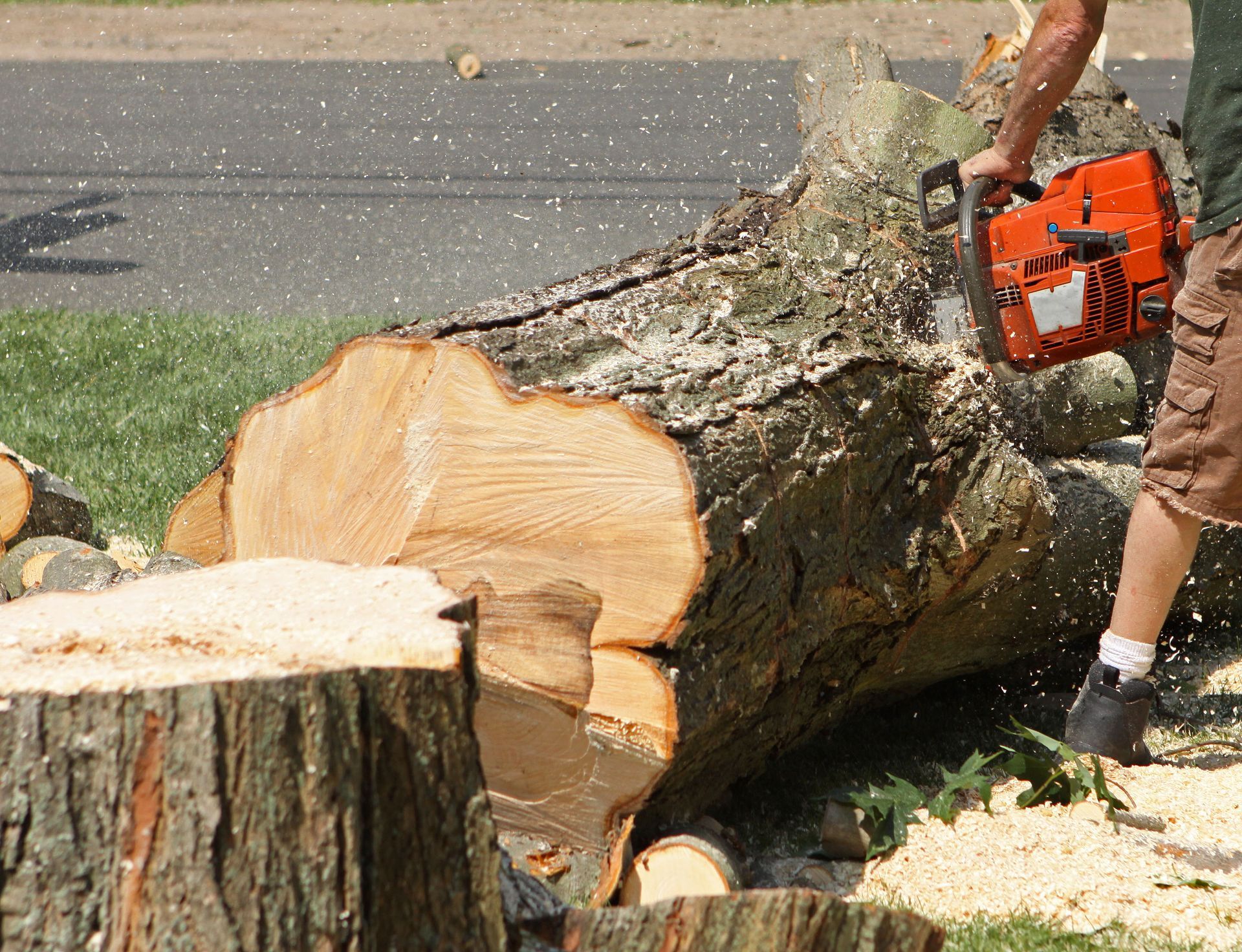
According to This Old House, depending on the size and type of tree, tree removal can take as little as about 15 minutes or as long as a few hours. This range illustrates why there is no universal timeline for the process. A small tree in an open section of a yard may be removed relatively quickly, while a large tree surrounded by buildings, landscaping, or utility infrastructure can require considerably more planning.
The removal process may involve assessing the tree, determining how it can be safely brought down, cutting the tree into manageable sections, removing branches and debris, and addressing the remaining stump if requested. Professionals can also determine whether specialized equipment is needed based on the property's layout and the tree's condition.
Tree removal is not always the first or only solution to a tree-related problem. Many concerns can be addressed through proper pruning, routine maintenance, or other tree care techniques. However, when a tree is dead, severely damaged, structurally unstable, diseased beyond recovery, or creating an unavoidable hazard, removal may be the appropriate choice.
Recognizing the warning signs early gives property owners more time to make informed decisions. A professional assessment can help distinguish between trees that can continue growing safely and those that may present increasing risks. When removal is necessary, experienced professionals can develop an appropriate plan based on the tree and the surrounding property.
For property owners considering
local tree removal, Bald Eagle Tree Solutions can evaluate the situation and help determine the appropriate next step. Taking action when a tree becomes unsafe can help protect the property while creating opportunities for healthier, more manageable landscaping in the future. Contact Bald Eagle Tree Solutions today for more information.